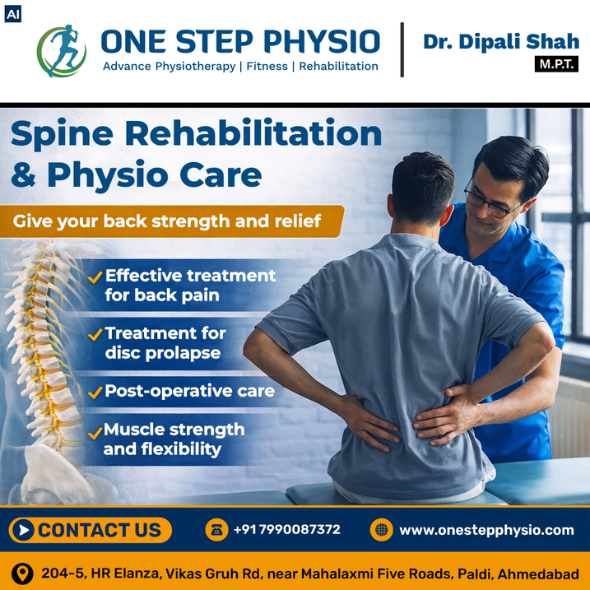
Back pain has become one of the most common health concerns in today’s lifestyle. Whether caused by long hours of sitting, poor posture, injuries, or medical conditions, spine-related issues can significantly impact daily life. From limiting mobility to affecting productivity, untreated spine problems can lead to long-term discomfort and complications. This is where spine rehabilitation and physiotherapy play a vital role in restoring health, strength, and flexibility.
Spine rehabilitation focuses on diagnosing, treating, and preventing spine-related conditions through targeted physiotherapy techniques. With the right care and professional guidance, individuals can not only recover from pain but also improve their overall quality of life.
Understanding Spine Health
The spine is one of the most important structures in the human body. It supports posture, enables movement, and protects the spinal cord. Any issue related to the spine—such as muscle strain, disc problems, or injuries—can affect the entire body.
Modern lifestyles have made people more prone to spine-related problems. Sitting for long hours, lack of physical activity, improper lifting techniques, and stress are common contributors to back pain. Over time, these habits can weaken muscles, reduce flexibility, and lead to chronic conditions.
Maintaining spine health requires a combination of proper posture, regular exercise, and professional care when needed.
The Role of Physiotherapy in Spine Rehabilitation
Physiotherapy is one of the most effective ways to treat and manage spine-related conditions. Unlike temporary solutions such as painkillers, physiotherapy addresses the root cause of the problem and promotes natural healing.
Spine rehabilitation programs are designed to improve mobility, strengthen muscles, and reduce pain. Physiotherapists assess each patient’s condition and create personalized treatment plans based on their specific needs.
These treatments may include therapeutic exercises, manual therapy, posture correction, and advanced techniques that help restore normal function. The goal is not only to relieve pain but also to prevent future issues.
Effective Treatment for Back Pain
Back pain can range from mild discomfort to severe, debilitating pain. It may result from muscle strain, poor posture, or underlying medical conditions. Physiotherapy provides a structured approach to managing back pain through targeted exercises and therapies.
Strengthening the core muscles is a key part of back pain treatment. Strong muscles support the spine and reduce pressure on it. Stretching exercises improve flexibility and reduce stiffness, allowing better movement.
Physiotherapists also educate patients on proper posture and daily habits to prevent recurring pain. This holistic approach ensures long-term relief and improved spinal health.
Treatment for Disc Prolapse
Disc prolapse, also known as a slipped or herniated disc, is a common spine condition that can cause severe pain and discomfort. It occurs when the soft inner portion of a spinal disc pushes out through the outer layer, putting pressure on nearby nerves.
Physiotherapy plays a crucial role in managing disc prolapse without the need for surgery in many cases. Treatment focuses on relieving pressure on the affected nerves, reducing inflammation, and improving mobility.
Specific exercises help strengthen the surrounding muscles and support the spine. Over time, these therapies can reduce pain and improve function, allowing patients to return to their normal activities.
Post-Operative Care and Recovery
After spine surgery, proper rehabilitation is essential for a successful recovery. Post-operative physiotherapy helps patients regain strength, restore movement, and prevent complications.
Recovery programs are carefully designed to match the patient’s condition and stage of healing. Initially, gentle movements and exercises are introduced to avoid strain on the surgical area. Gradually, more advanced exercises are added to improve strength and flexibility.
Physiotherapists closely monitor progress and make adjustments to ensure safe and effective recovery. With the right care, patients can achieve better outcomes and return to their daily routines with confidence.
Improving Muscle Strength and Flexibility
Strong and flexible muscles are essential for maintaining a healthy spine. Weak muscles can lead to poor posture and increased strain on the spine, while lack of flexibility can restrict movement and cause stiffness.
Physiotherapy programs include exercises that target key muscle groups supporting the spine. Strength training helps build stability, while stretching exercises improve flexibility and range of motion.
These exercises not only aid recovery but also play a preventive role by reducing the risk of future injuries. Regular practice ensures long-term spine health and overall well-being.
Enhancing Mobility and Daily Function
One of the main goals of spine rehabilitation is to improve mobility and help individuals return to their normal activities. Pain and stiffness can make even simple tasks difficult, affecting both personal and professional life.
Physiotherapy focuses on restoring movement patterns and improving coordination. Patients are guided through functional exercises that mimic everyday activities, helping them regain confidence and independence.
Improved mobility leads to a better quality of life, allowing individuals to stay active and engaged in their daily routines.
A Holistic Approach to Spine Care
Spine rehabilitation is not just about treating symptoms—it’s about addressing the underlying causes and promoting overall wellness. Physiotherapists take a holistic approach by considering factors such as posture, lifestyle, and physical activity levels.
Patients are educated on maintaining proper posture, using ergonomic techniques, and incorporating healthy habits into their daily lives. This comprehensive approach ensures lasting results and reduces the chances of recurring issues.
Conclusion
Spine health is essential for overall well-being, and ignoring back problems can lead to serious complications over time. Spine rehabilitation and physiotherapy provide a safe, effective, and long-term solution for managing pain, improving mobility, and restoring strength.
From treating back pain and disc prolapse to supporting post-operative recovery and enhancing muscle strength, physiotherapy plays a vital role in helping individuals lead a pain-free life. With personalized care, guided exercises, and professional support, patients can achieve better physical health and improved quality of life.
Taking the right step toward spine care today can make a significant difference in the future. With consistent effort and expert guidance, living a healthy, active, and pain-free life is well within reach.
 :
: