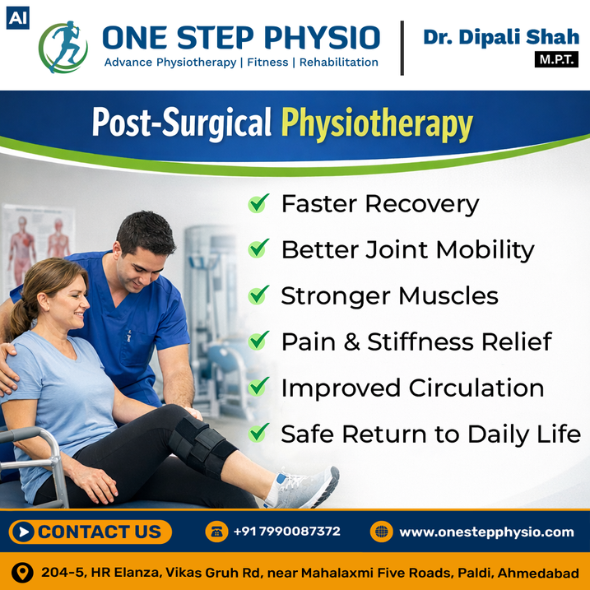
Surgery is often an important step in treating injuries, correcting medical conditions, or improving overall health. However, the recovery process after surgery is just as important as the procedure itself. Without proper rehabilitation, patients may experience stiffness, weakness, reduced mobility, or prolonged discomfort. This is where post-surgical physiotherapy plays a crucial role.
Post-surgical physiotherapy focuses on helping patients regain strength, restore movement, and return to their normal daily activities safely. Through guided exercises, professional supervision, and customized rehabilitation plans, physiotherapy helps the body heal more effectively and reduces the risk of complications.
Understanding Post-Surgical Physiotherapy
Post-surgical physiotherapy is a specialized rehabilitation program designed to support patients after medical procedures such as orthopedic surgeries, joint replacements, ligament repairs, spinal surgeries, and other surgical treatments. The goal is to assist the body in recovering properly while minimizing pain, stiffness, and mobility limitations.
Every patient’s recovery journey is unique. Factors such as the type of surgery, the patient’s age, physical condition, and overall health all influence the rehabilitation process. Physiotherapists assess each patient’s condition carefully and create a personalized treatment plan that supports gradual and safe recovery.
Why Physiotherapy Is Essential After Surgery
Many patients believe that rest alone is enough to recover after surgery. While rest is important during the initial stages, too much inactivity can actually slow down recovery and lead to muscle weakness or joint stiffness. Physiotherapy ensures that the body regains strength and flexibility in a controlled and safe manner.
Physiotherapists guide patients through specific exercises that help improve circulation, maintain muscle strength, and restore normal movement patterns. These exercises are carefully designed to avoid stress on the surgical area while promoting healing.
In addition, physiotherapy helps patients regain confidence in using the affected part of the body. This psychological support is important because many patients feel hesitant or fearful about moving after surgery.
Faster and More Effective Recovery
One of the biggest advantages of post-surgical physiotherapy is faster recovery. When patients follow a structured rehabilitation program, the body adapts and heals more efficiently. Regular therapy sessions help improve flexibility, reduce swelling, and promote tissue healing.
Guided exercises help prevent complications such as muscle atrophy, joint stiffness, and poor posture that may develop if movement is restricted for long periods. As a result, patients can return to their daily routines sooner and with better physical capability.
Improved Joint Mobility
After surgery, joints often become stiff due to reduced movement and swelling. Limited mobility can affect everyday activities such as walking, climbing stairs, or lifting objects. Physiotherapy helps restore joint movement gradually through controlled stretching and strengthening exercises.
Therapists also use techniques such as joint mobilization and soft tissue therapy to improve flexibility and reduce stiffness. Over time, these methods help patients regain natural movement and increase their range of motion.
Strengthening Muscles
Surgery and prolonged inactivity can lead to muscle weakness. Weak muscles not only slow down recovery but can also increase the risk of future injuries. Physiotherapy focuses on strengthening the muscles surrounding the surgical area to provide better support and stability.
Strengthening exercises are introduced gradually and adjusted according to the patient’s recovery stage. As muscles regain strength, patients experience improved balance, coordination, and physical endurance.
Pain and Stiffness Relief
Pain and stiffness are common concerns after surgery. Physiotherapy offers several techniques to manage these symptoms effectively. Therapeutic exercises, manual therapy, stretching techniques, and posture correction help reduce discomfort and improve overall physical function.
In addition, physiotherapists may use treatments such as heat therapy, cold therapy, or electrotherapy to relieve pain and reduce inflammation. These therapies promote relaxation of muscles and help patients feel more comfortable during the recovery process.
Improved Circulation and Healing
Proper blood circulation is essential for healing tissues and reducing swelling after surgery. Physiotherapy exercises stimulate blood flow throughout the body, which helps deliver oxygen and nutrients to the affected areas.
Improved circulation also helps remove waste products and toxins from the body, which supports faster recovery. By encouraging gentle movement and controlled exercises, physiotherapy helps the body heal naturally and efficiently.
Safe Return to Daily Activities
One of the main goals of post-surgical physiotherapy is to help patients safely return to their normal lifestyle. Activities such as walking, driving, working, and exercising can become challenging after surgery if proper rehabilitation is not followed.
Physiotherapists guide patients step by step through functional exercises that simulate everyday movements. These exercises help patients rebuild strength, coordination, and balance needed for daily activities.
Patients also receive advice on proper posture, body mechanics, and lifestyle adjustments that protect the surgical area and prevent future injuries.
The Importance of Professional Supervision
Post-surgical recovery requires careful monitoring and guidance. Attempting exercises without professional supervision may lead to strain, injury, or delayed healing. Physiotherapists have the expertise to ensure that each exercise is performed correctly and safely.
They track the patient’s progress regularly and adjust the rehabilitation program according to improvements or challenges. This personalized approach ensures that patients recover at the right pace without overexertion.
Professional supervision also provides reassurance and motivation, helping patients stay committed to their recovery plan.
Conclusion
Recovering from surgery is a gradual process that requires patience, proper care, and the right rehabilitation approach. Post-surgical physiotherapy plays a vital role in helping patients regain strength, restore mobility, and return to their normal lives safely.
Through guided exercises, pain management techniques, and personalized treatment plans, physiotherapy supports faster healing and reduces the risk of long-term complications. It not only improves physical recovery but also helps patients regain confidence in their movement and daily activities.
By following a structured post-surgical physiotherapy program, patients can experience smoother recovery, better physical function, and improved overall well-being. With the right professional guidance and dedication to rehabilitation, a healthy and active life after surgery is absolutely achievable.
 :
: