


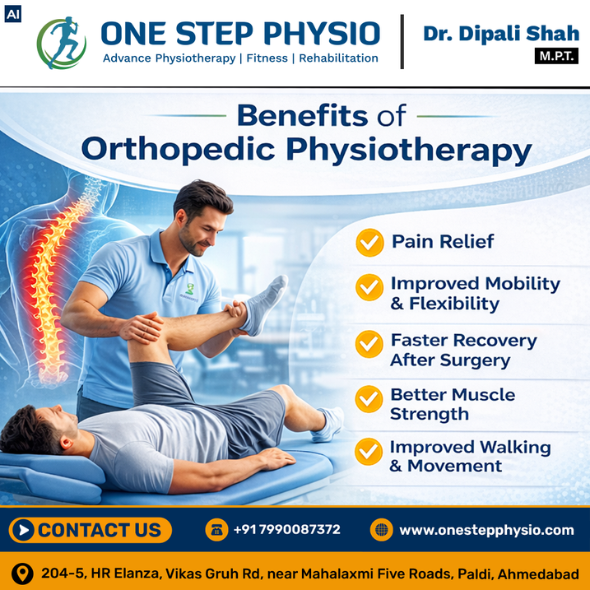
Orthopedic physiotherapy is a specialized form of physical therapy that focuses on the treatment and rehabilitation of musculoskeletal conditions. These conditions include injuries or disorders affecting bones, joints, muscles, ligaments, and tendons. With the increasing number of people experiencing joint pain, sports injuries, postural problems, and mobility issues, orthopedic physiotherapy has become an essential part of modern healthcare.
Through targeted exercises, manual therapy techniques, and personalized treatment plans, orthopedic physiotherapy helps individuals reduce pain, restore mobility, and regain strength. It is commonly recommended for patients recovering from injuries, surgeries, or chronic conditions that affect movement and physical function.
Understanding Orthopedic Physiotherapy
Orthopedic physiotherapy focuses on diagnosing, managing, and treating conditions that affect the musculoskeletal system. This system supports the body’s movement and stability, so any injury or dysfunction in these areas can significantly impact a person’s daily life.
Physiotherapists assess each patient’s condition carefully and develop customized treatment plans based on the individual’s needs. These treatment plans may include therapeutic exercises, stretching techniques, joint mobilization, posture correction, and rehabilitation programs designed to restore normal movement patterns.
Orthopedic physiotherapy is commonly used for conditions such as back pain, neck pain, sports injuries, joint stiffness, arthritis, muscle strains, ligament injuries, and post-surgical rehabilitation.
Pain Relief Through Targeted Therapy
One of the primary benefits of orthopedic physiotherapy is effective pain management. Many individuals suffer from chronic pain caused by injuries, poor posture, repetitive movements, or age-related conditions. Physiotherapy helps relieve pain through a combination of therapeutic techniques designed to address the root cause of the problem.
Manual therapy, muscle strengthening exercises, and stretching routines help reduce tension and improve joint mobility. These treatments help alleviate pressure on affected areas and promote natural healing. Over time, patients experience reduced discomfort and improved physical function without relying heavily on medication.
Improved Mobility and Flexibility
Limited mobility can make everyday activities difficult and uncomfortable. Tasks such as walking, bending, or lifting objects may become challenging when joints and muscles are not functioning properly.
Orthopedic physiotherapy focuses on restoring normal movement patterns and improving flexibility. Through guided exercises and stretching programs, physiotherapists help patients gradually regain their range of motion. As muscles become stronger and joints become more flexible, patients experience greater ease in performing daily activities.
Improved mobility not only enhances physical function but also contributes to a better quality of life.
Faster Recovery After Surgery
Many surgical procedures involving bones, joints, or muscles require proper rehabilitation to ensure successful recovery. Without appropriate physiotherapy, patients may experience stiffness, weakness, or reduced mobility after surgery.
Orthopedic physiotherapy plays a crucial role in post-surgical recovery by helping patients regain strength and mobility safely. Physiotherapists design structured rehabilitation programs that guide patients through gradual exercises to rebuild muscle strength and joint stability.
These rehabilitation programs also help reduce post-operative pain and swelling, enabling patients to return to normal activities more quickly and safely.
Strengthening Muscles and Supporting Joints
Strong muscles are essential for maintaining joint stability and preventing injuries. Weak muscles can place excessive strain on joints and ligaments, increasing the risk of pain and damage.
Orthopedic physiotherapy includes strength training exercises that target specific muscle groups. By strengthening these muscles, physiotherapy helps support the joints and improve overall body stability.
Improved muscle strength also helps individuals perform physical activities with greater confidence and reduces the likelihood of recurring injuries.
Improved Walking and Movement
Walking is one of the most fundamental movements in daily life. However, injuries, muscle weakness, or joint problems can affect a person’s ability to walk comfortably.
Orthopedic physiotherapy focuses on improving movement patterns and restoring proper walking mechanics. Physiotherapists analyze the way patients move and identify areas that require correction or strengthening.
Through balance training, coordination exercises, and gait correction techniques, patients gradually regain control over their movements. This leads to improved walking ability and better overall physical coordination.
Prevention of Future Injuries
In addition to treating existing conditions, orthopedic physiotherapy also plays a vital role in preventing future injuries. Many musculoskeletal problems develop due to poor posture, improper body mechanics, or repetitive strain.
Physiotherapists educate patients on proper posture, ergonomic practices, and safe movement techniques. They also recommend exercises that strengthen the body and improve flexibility, helping individuals maintain better physical health.
By addressing the root causes of musculoskeletal issues, physiotherapy reduces the risk of recurring injuries and supports long-term wellness.
Enhancing Overall Physical Health
Orthopedic physiotherapy is not only beneficial for injury recovery but also for improving overall physical health. Regular physiotherapy sessions help improve muscle strength, joint stability, and body alignment.
This holistic approach ensures that the entire musculoskeletal system functions efficiently. As a result, individuals experience improved endurance, better posture, and greater physical confidence.
Maintaining strong muscles and flexible joints is essential for staying active and preventing age-related mobility issues later in life.
Conclusion
Orthopedic physiotherapy plays a vital role in helping individuals recover from injuries, manage pain, and improve overall mobility. By focusing on the musculoskeletal system, physiotherapy addresses the root causes of physical discomfort and promotes natural healing.
Through personalized treatment plans, targeted exercises, and rehabilitation programs, orthopedic physiotherapy helps patients regain strength, restore movement, and enhance their quality of life. Whether recovering from surgery, dealing with chronic pain, or looking to improve physical function, physiotherapy offers a safe and effective path toward better health and mobility.
Investing in proper physiotherapy care can make a significant difference in maintaining an active lifestyle, preventing injuries, and supporting long-term physical well-being.
 :
:









